Congratulations go to the following CNF Student and Faculty members!
CNF’s own director, Professor James Baciak, was recognized with the American Concrete Institute’s Wason Medal for Materials Research for his research paper, “Thin Cement-Based Composites for Efficient Neutron Attenuation,” published last year in “ACI Materials Journal.
“One of the major discoveries from the paper was enhancing radiation shielding.”- Baciak
Associate Professor Xu Wu received the 2026 American Nuclear Society Thermal Hydraulics Division Bal-Raj Sehgal Memorial Award!
This prestigious award recognizes Dr. Wu’s innovative research and outstanding contributions to advancing predictive capabilities in computational reactor thermal-hydraulics. It also honors his technical leadership and exceptional commitment to mentoring the next generation of thermal-hydraulics and nuclear safety researchers.
Professor Nathalie Wall was recently awarded the 2026 W. Frank Kinard Distinguished Service Award from the ACS Division of Nuclear Chemistry and Technology.
“I am truly humbled to be recognized with the 2026 W. Frank Kinard Distinguished Service Award from the ACS Division of Nuclear Chemistry and Technology. To be acknowledged for leadership, education, and mentorship in a field that I care so deeply about is both an honor and a privilege. Throughout my career, I have been fortunate to learn from exceptional mentors, collaborate with talented colleagues, and work alongside remarkable students whose passion and dedication continually inspire me.” -Wall
Professor Igor Jovanovic has recently received a formal appointment as a Senior Faculty Scientist at LBNL. Jovanovic’s research interests include nuclear security, nuclear energy, and fundamental science. Dr. Jovanovic has made numerous original contributions to nuclear and optical sciences, including novel detectors based on heterogeneous composites, opaque scintillators, and two-dimensional materials; remote detection of nuclear and chemical threats using laser-produced plasmas; and high-power
Please join us in celebrating Graduate Student Lucy Hunley, who was invited to participate in U.S. Women in Nuclear (U.S. WIN) for the third consecutive year and continues to be an active member of the organization!
U.S. WIN supports and advances women across the nuclear field through mentorship, professional development, leadership opportunities, and networking. For graduate students like Lucy, this involvement provides valuable opportunities to connect with leaders across the nuclear enterprise while building the skills, experience, and professional relationships that will support her future career.
Congratulations, Lucy, on this continued achievement and commitment to the nuclear community!
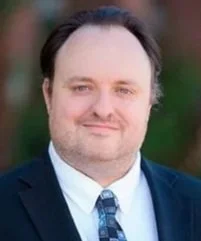
Jim Baciak
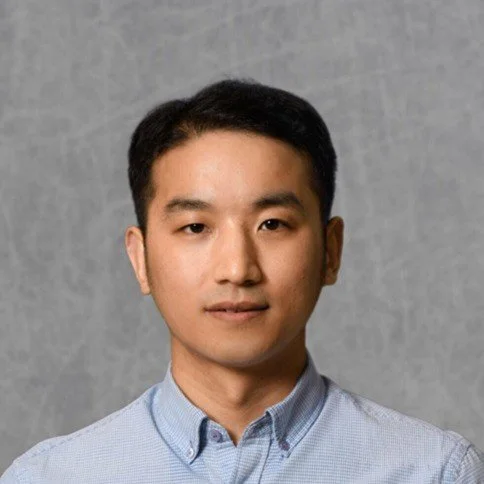
Xu Wu
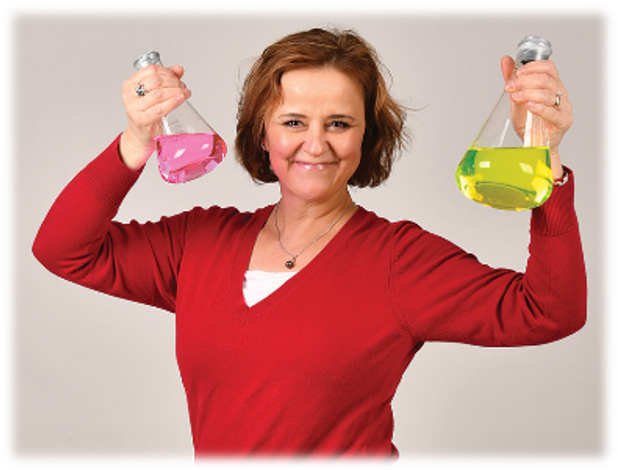
Nathalie Wall
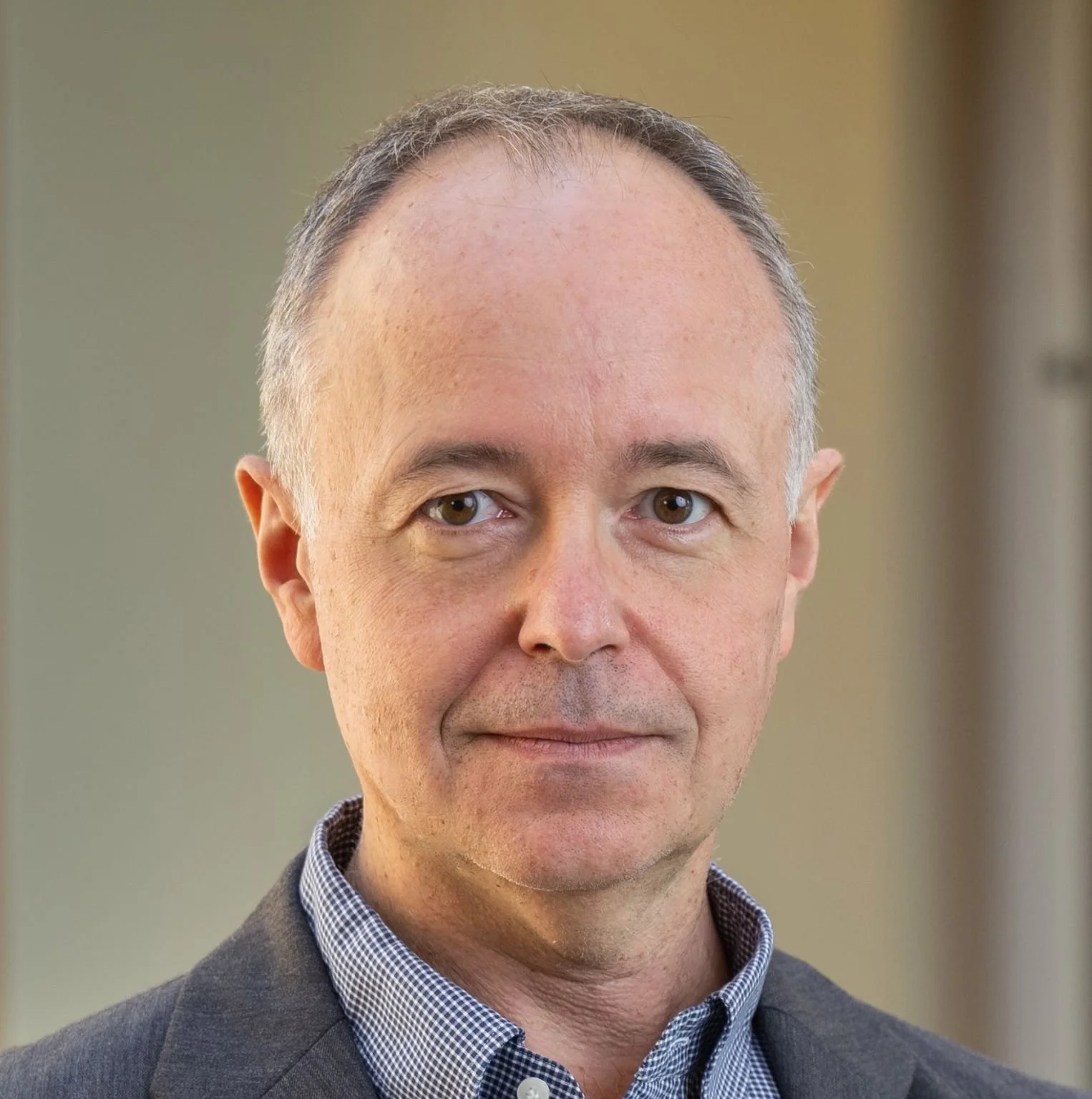
Igor Jovanovic
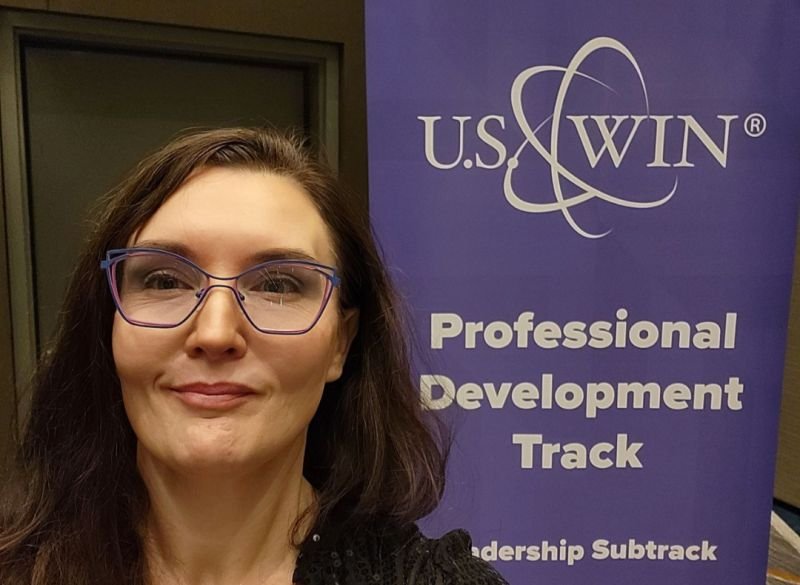
Lucy Hunley
67th Institute of Nuclear Materials Management (INMM) Annual Meeting: Highlights of CNF Participation
CNF students had the opportunity to engage with Ambassador Laura Holgate (ret.). In the meeting, there was discussion surrounding what the current pain points are between the technical and policy issues surrounding nuclear forensics with an emphasis on post detonation. The conversation surrounded the disconnect between the policy communications and that of the technical expertise and discussed the need for more merging between the two and even potential round robin exercises.
Ambassador Holgate was a US ambassador to the United Nations Vienna Office and to the International Atomic Energy Agency. She has supported Nuclear Nonproliferation and arms control since 1995 and continues now as senior advisor to IB3 Global.
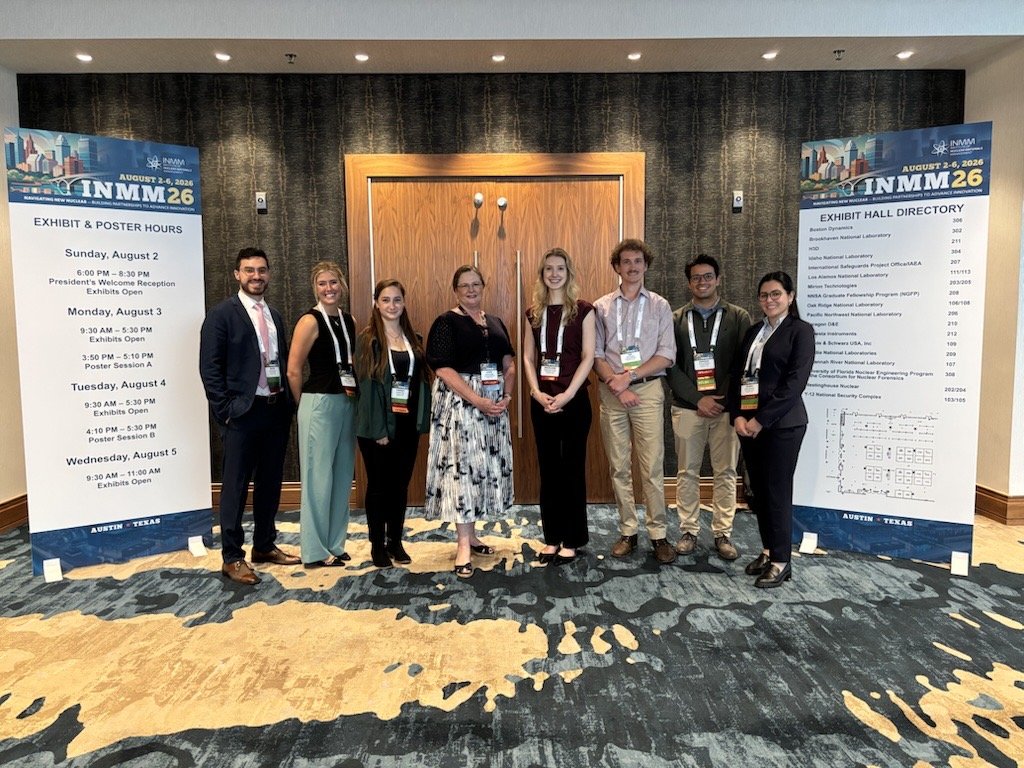
Left to Right: Justin Borrero (UF), Paige Andersen (UF), Hannah Patz (UF), Ambassador Holgate, Madeline Forbes (UF), Ian Russell (Notre Dame), Enrique Medici (U-M), Aileen Sarceno (UF)
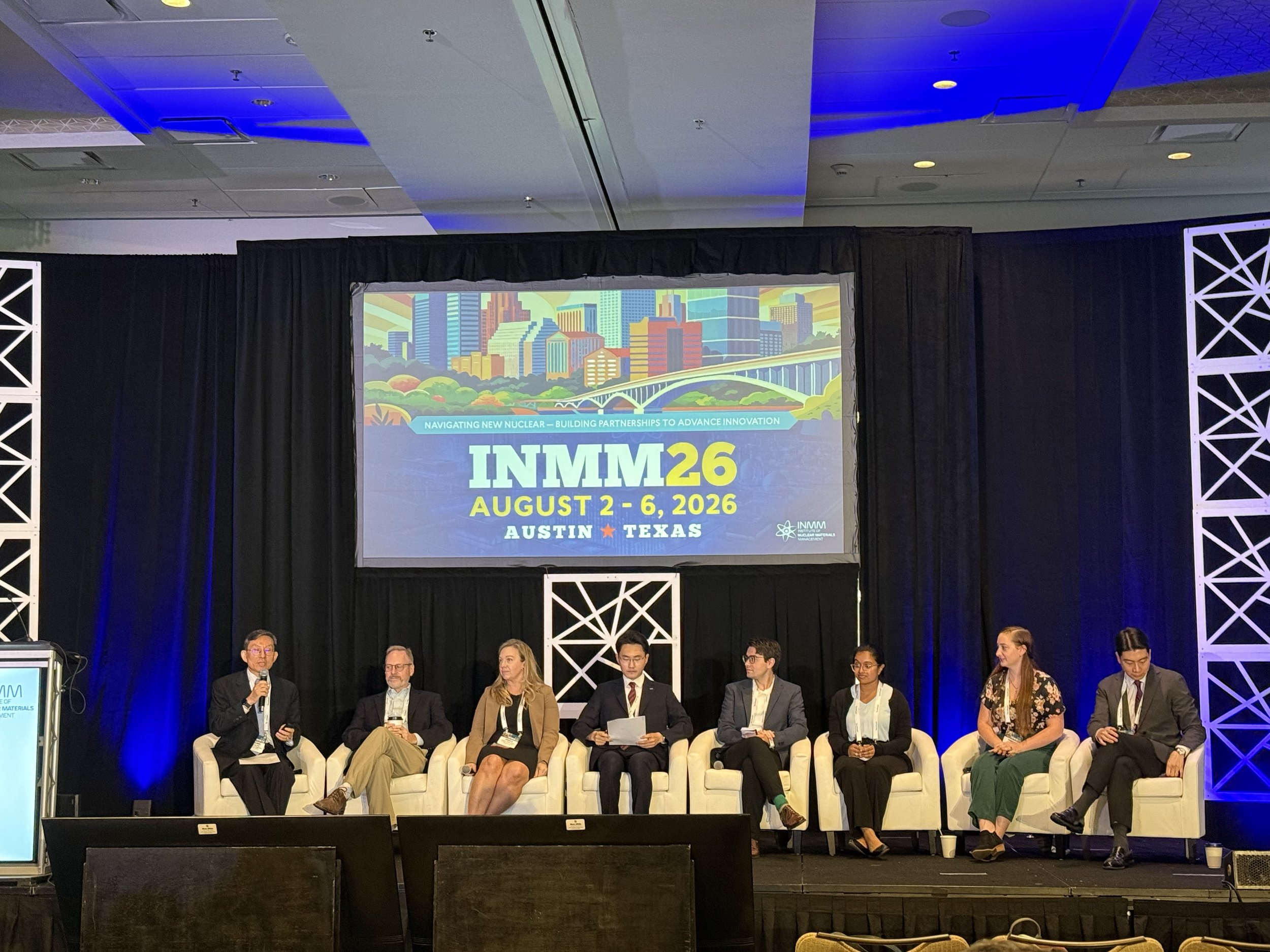
Patz pictured second from right
Justin Barrerro, University of Florida, was co-chair of Advanced Detection and Autonomous Inspection for Nuclear Accountancy and also presented his work, “Target-Derived Oxygen Effects on Laser-Ablation Plume Structure and Aluminum Oxidation”.
We’d like to highlight a Hannah Patz, University of Florida, who not only presented, “Dual Particle Discrimination with a Digital Autoradiography System for Applications in Nuclear Forensics” but also served as a panelist for “Cultivating the Next Generation: “Student Chapters and the INMM Pipeline”.
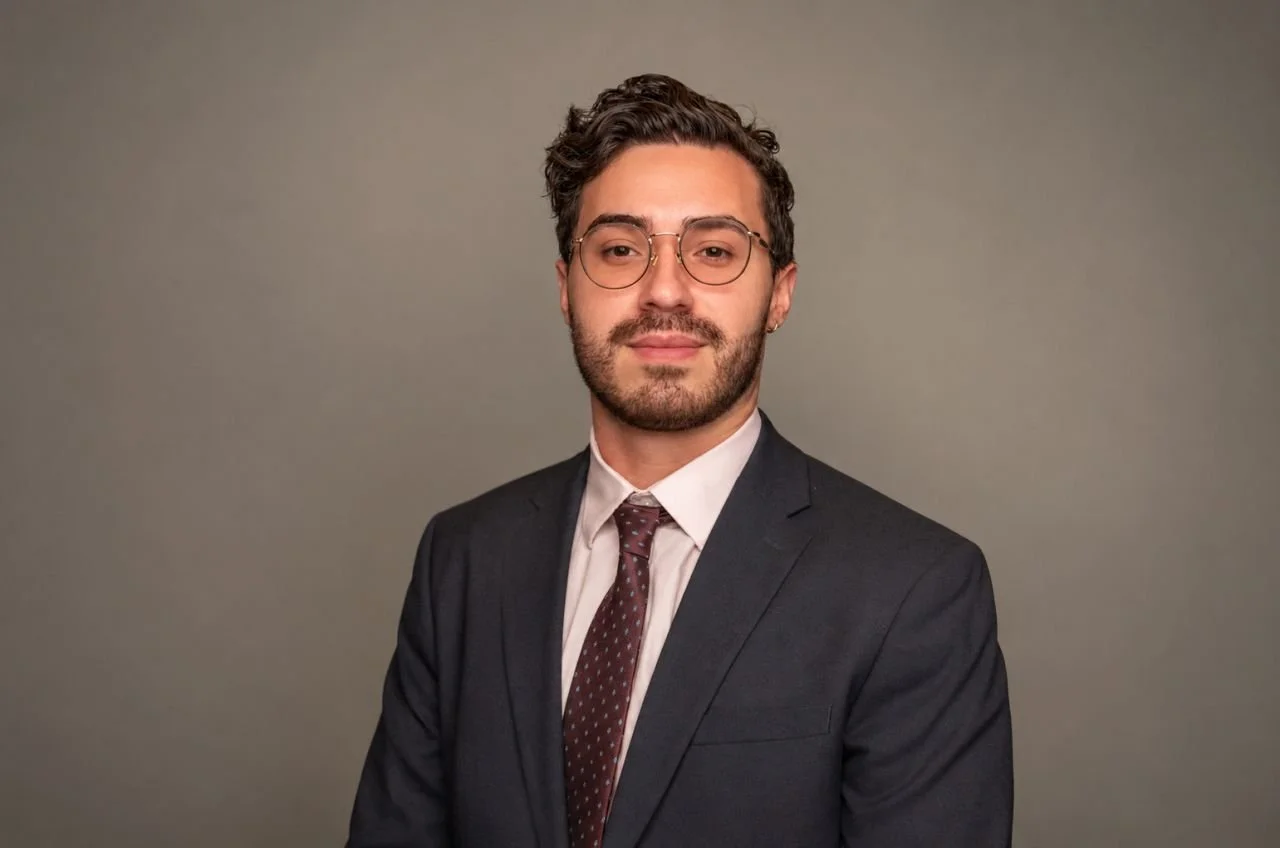
Justin Barrero
CNF Student Presenters
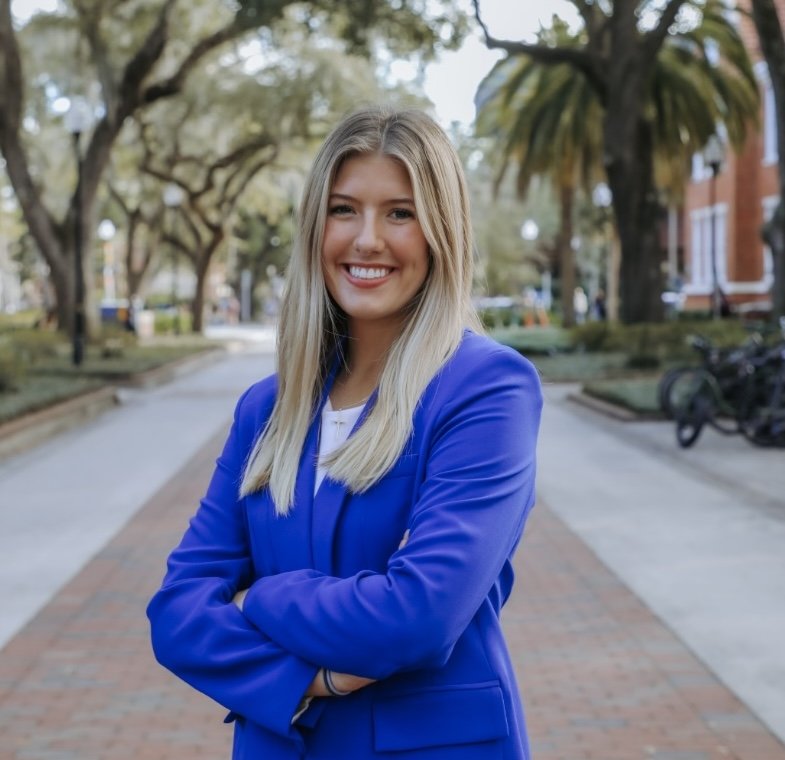
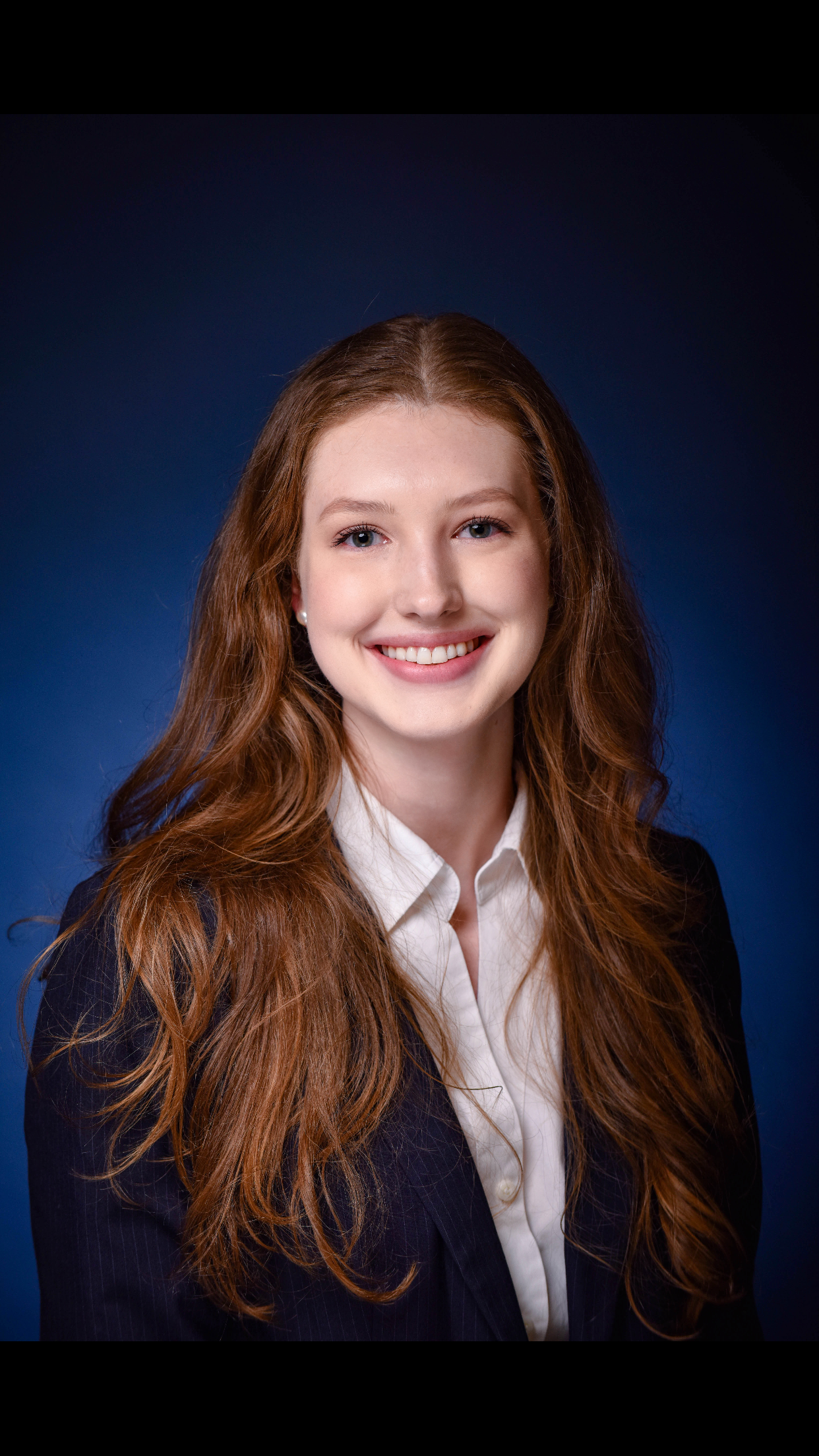
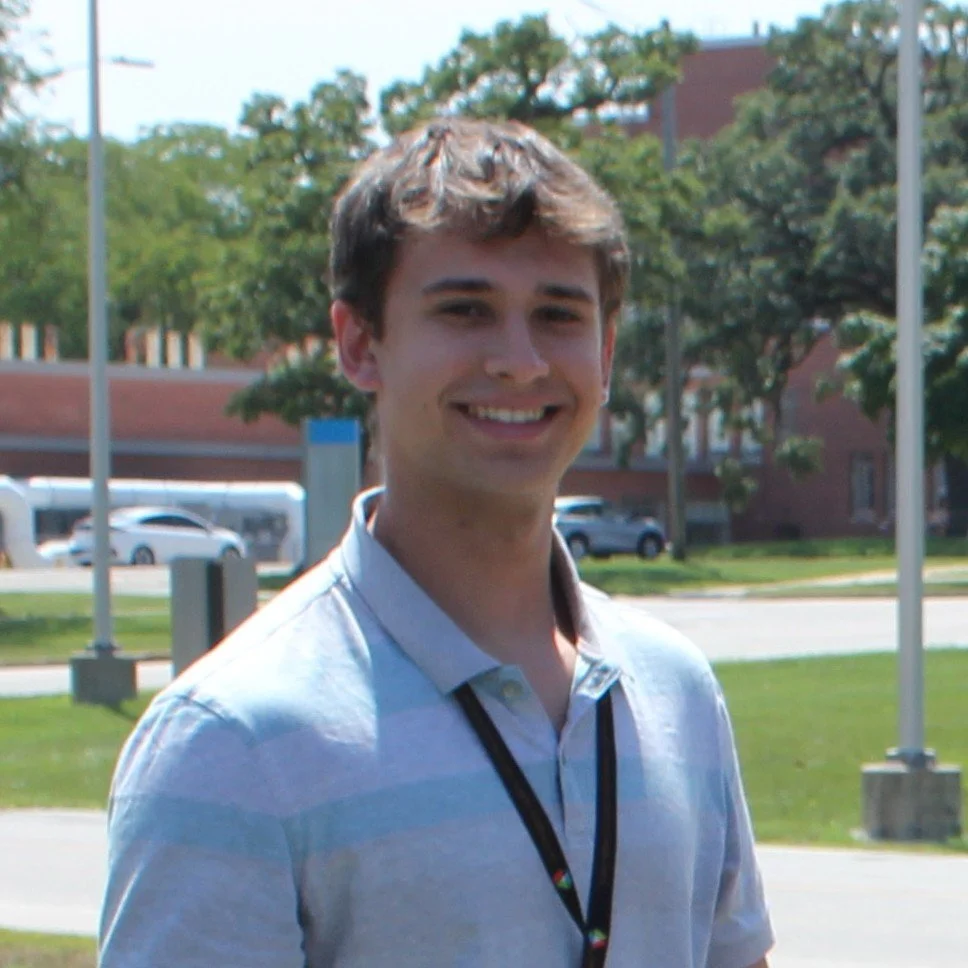
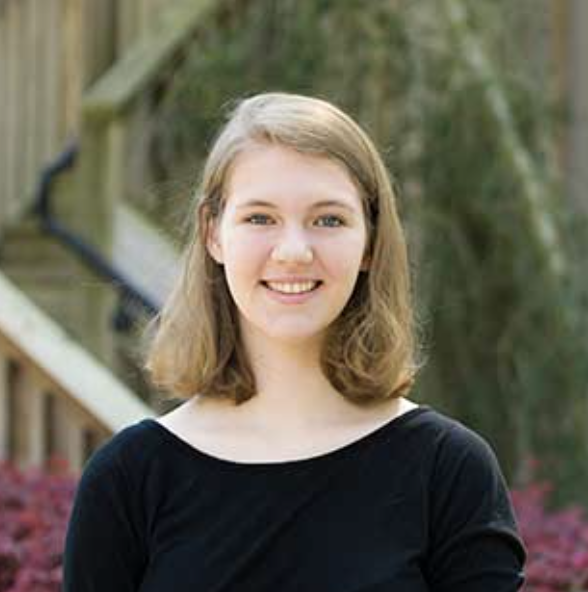
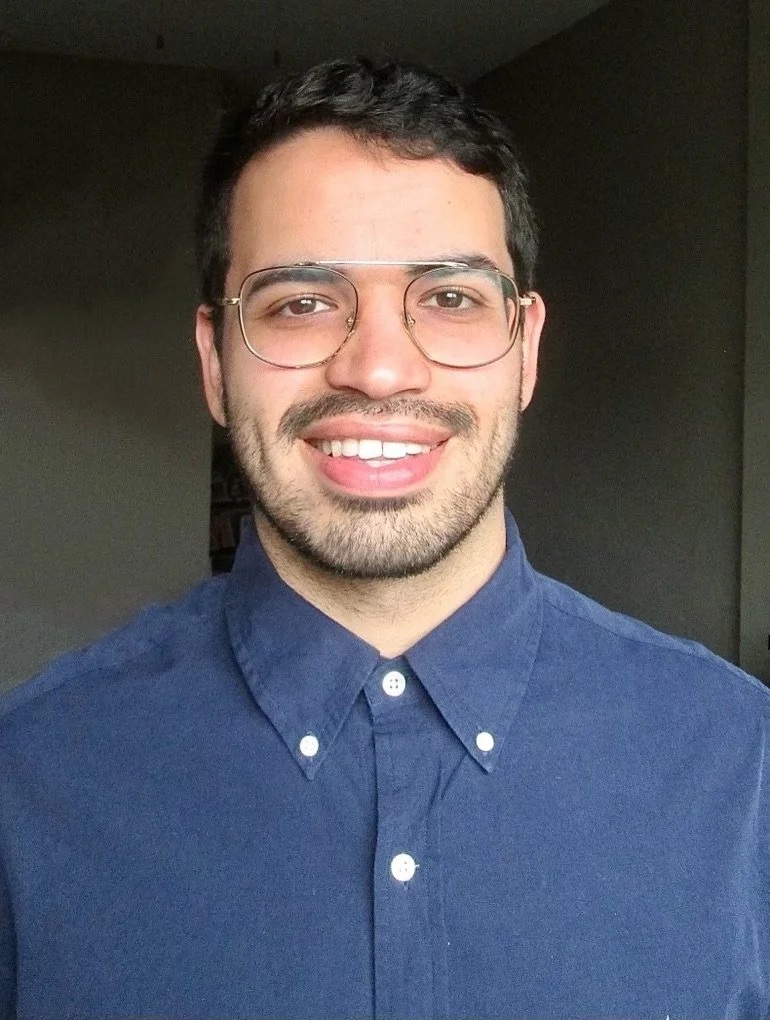
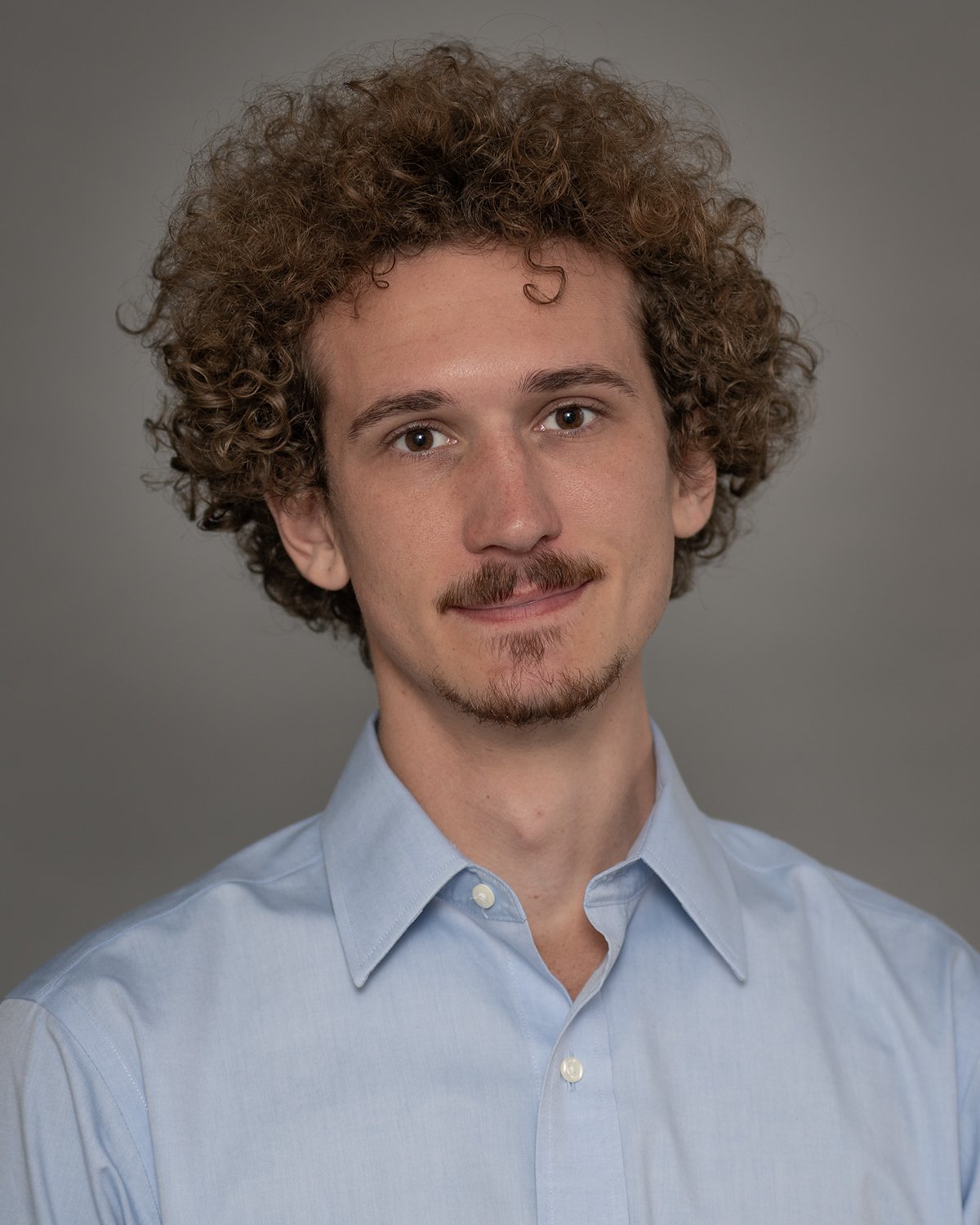
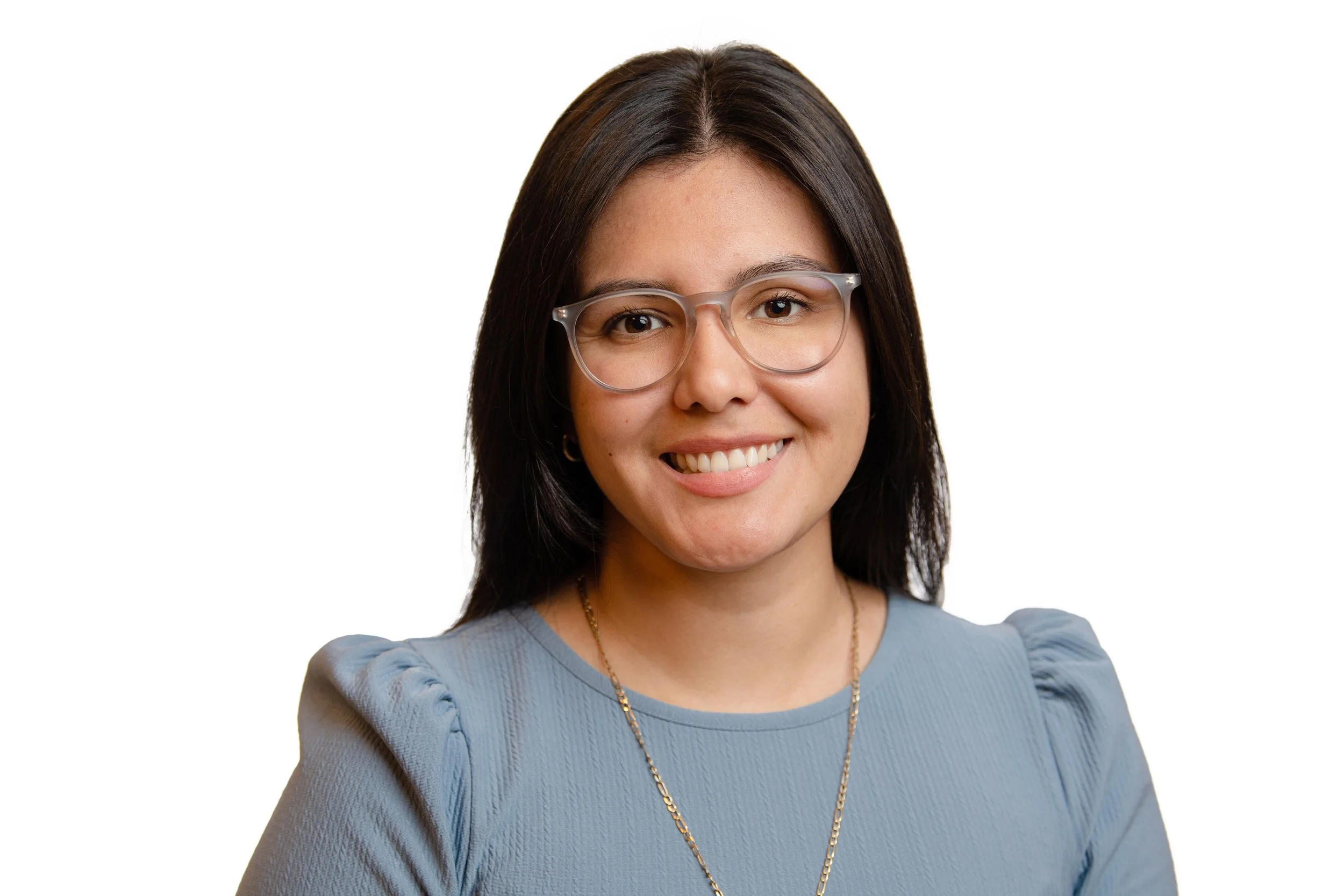
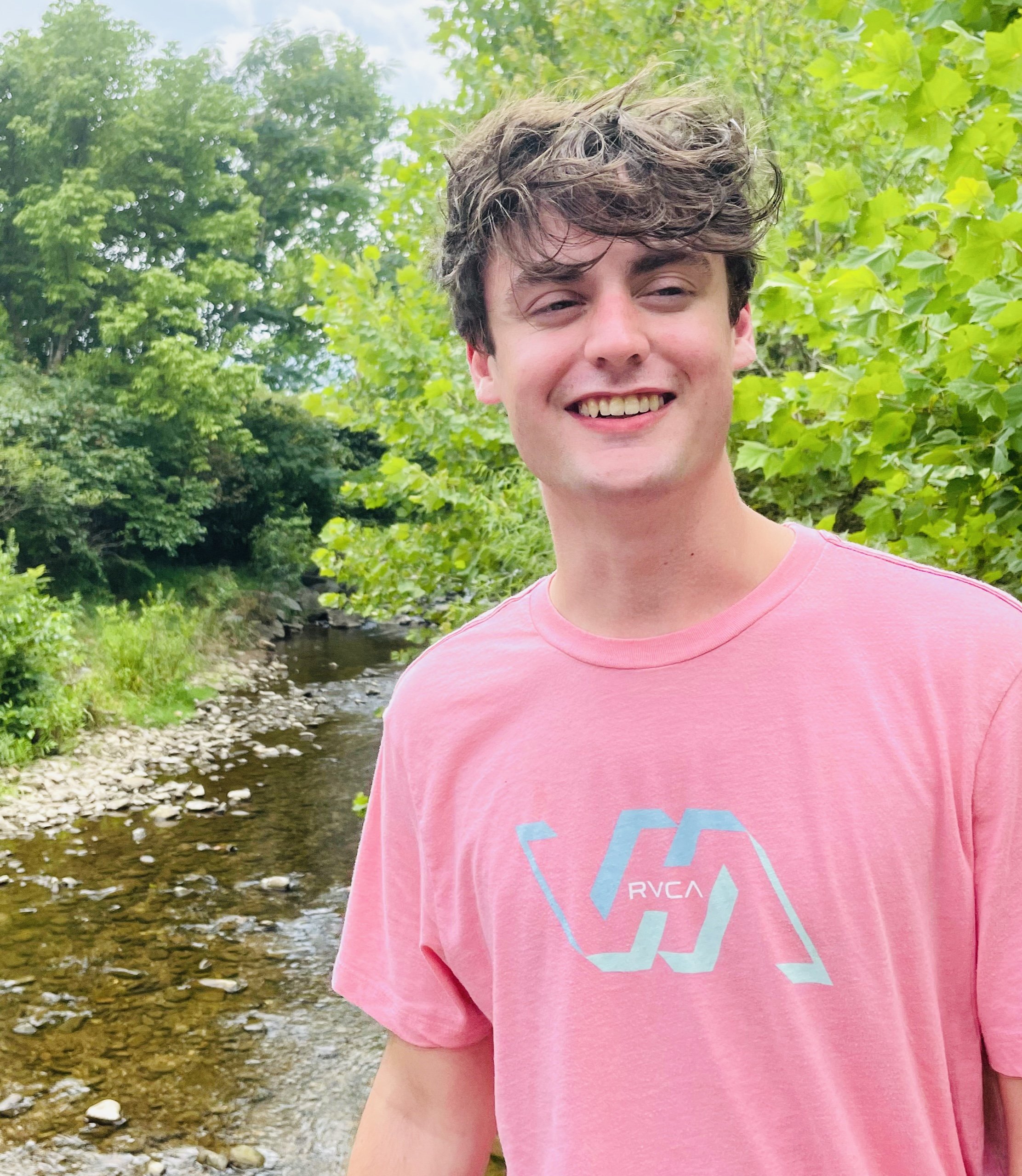
Paige Anderson – University of Florida, Advisor: Dr. Hartig
Presentation “Tritium Economy: Implications and Recommendations”
Aileen N. Sarceno, MS – University of Florida, Advisor: Dr. Baciak
Presentation “Applications of Transmission X-Ray Imaging to Visualize REE Separations Under External Fields”
Ryan Wood – UC Berkeley, Advisor: Dr. Jovanovic
Presentation "Radiochronometry of Highly Enriched Uranium Using Cryogenic Decay Energy Spectrometry"
Madeleine Forbes – The University of Florida, Advisor: Dr. Wall
Presentation “Mechanistic Understanding of Iron Separations for Material Processing”
Mateo Halka – University of Florida, Advisor: Dr. Hartig
Presentation “Nuclear Systems in Space: Security Risks, Verification Constraints, and Governance Gaps”
Maximino D. Guzman – Oregon State University, Advisor: Dr. T. Palmer
Presentation “A Hybrid SPDNN / DNN Model for the Evaluation of U-233 Cross Sections”
Virginia E. Lucas – UF/Los Alamos National Laboratory, Advisor: Dr. Baciak
Poster: “Characterizing room return neutrons to reduce facility modeling uncertainties in measurement support”
Enrique Medici– University of Michigan, Advisor: Dr. Hartig
Presentation “Facilitated Forward Radiation Transport"
Poster Presentation: “PINN-Facilitated Forward Radiation Transport”
Ian Russell – University of Notre Dame, Advisor: Dr. Hixon
Presentation “Uranium Chloride Alteration under Atmospheric Conditions”
We congratulate our doctoral student and National Nuclear Security Administration (NNSA) Fellow, Wilfredo I. Rivera Rodriguez, on being selected for the prestigious GEM Fellowship.
The nationally recognized GEM Fellowship supports outstanding graduate students through financial assistance, mentorship, professional development, and internship opportunities, helping prepare the next generation of leaders in science and engineering.
Wilfredo's research journey with our group began as an undergraduate under the mentorship of Professor Vasileios A. Anagnostopoulos. Now a doctoral student, he is advancing our understanding of how materials produced during high-temperature nuclear events evolve under extreme conditions. His work has important applications in nuclear forensics and national security.
As part of his fellowship, Wilfredo is currently expanding this research through an internship at Lawrence Livermore National Laboratory, where he is contributing to cutting-edge research in nuclear forensics and national security chemistry.
Congratulations to Justin I. Borrero- Negrón of the University of Florida for being named a recipient of the prestigious 2026 Barbara Stull Graduate Student Award from the Society for Applied Spectroscopy.
Justin is a Ph.D. candidate in Dr. Kyle Hartig’s research group at the University of Florida. His research focuses on applying machine-learning-enhanced laser-induced breakdown spectroscopy (LIBS) to the characterization of special nuclear materials, while also advancing laser-produced plasma diagnostics for nuclear forensics and nonproliferation applications.
The Barbara Stull Graduate Student Award is presented to no more than two students globally each year.
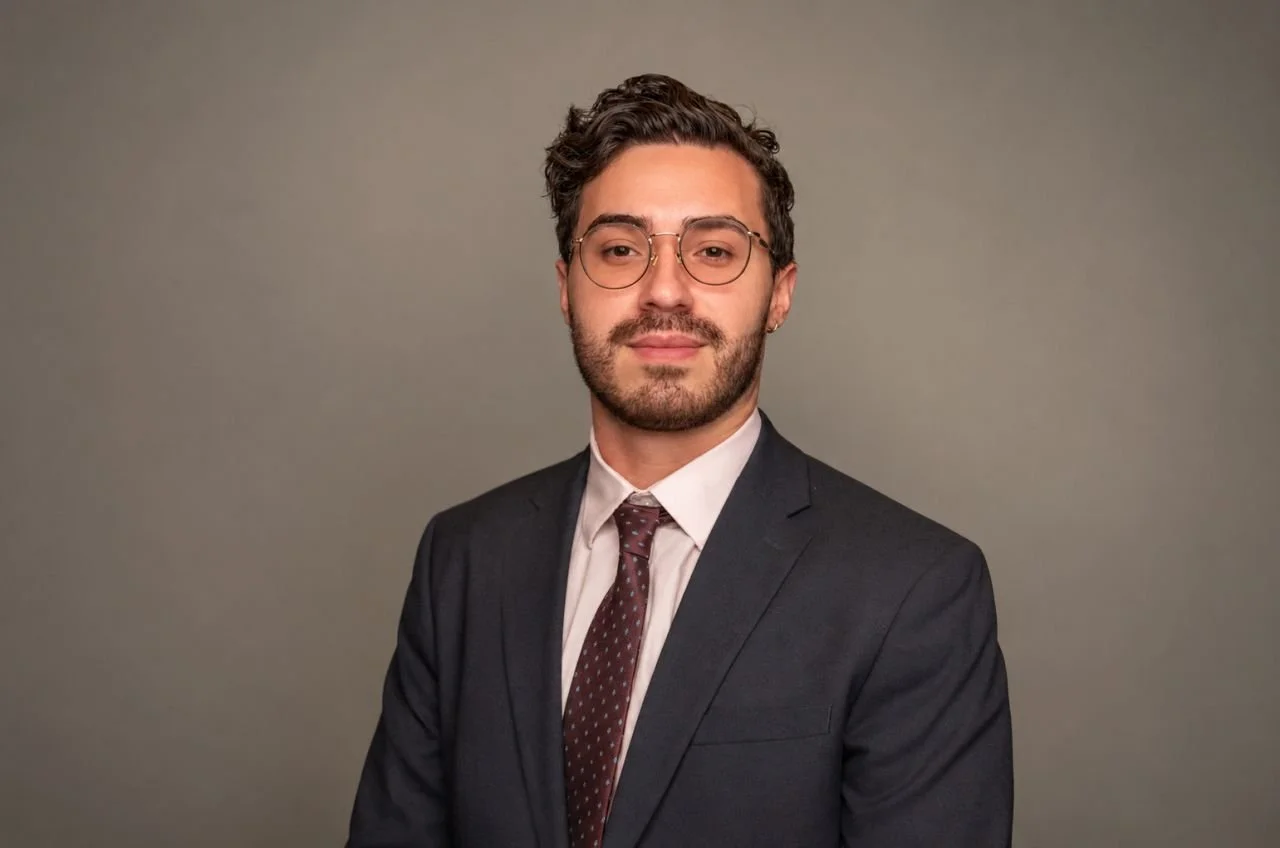
Justin I. Borrero- Negrón
Congratulations to Edward Cazalas, Ph.D. for being promoted to Associate Professor with tenure at the University of Utah.
Dr. Cazalas’ primary research focuses on radiation detection and measurement, dosimetry, and radiation effects. He has extensive expertise in nuclear and radiation physics, as well as in the development of radiation detector systems, including detection methodologies, detector design, modeling and simulation, and experimental construction and testing. His research also includes extensive computational modeling for a wide range of radiation-based designs, applications, studies, and operational scenarios using the Monte Carlo codes MCNP and Geant4.
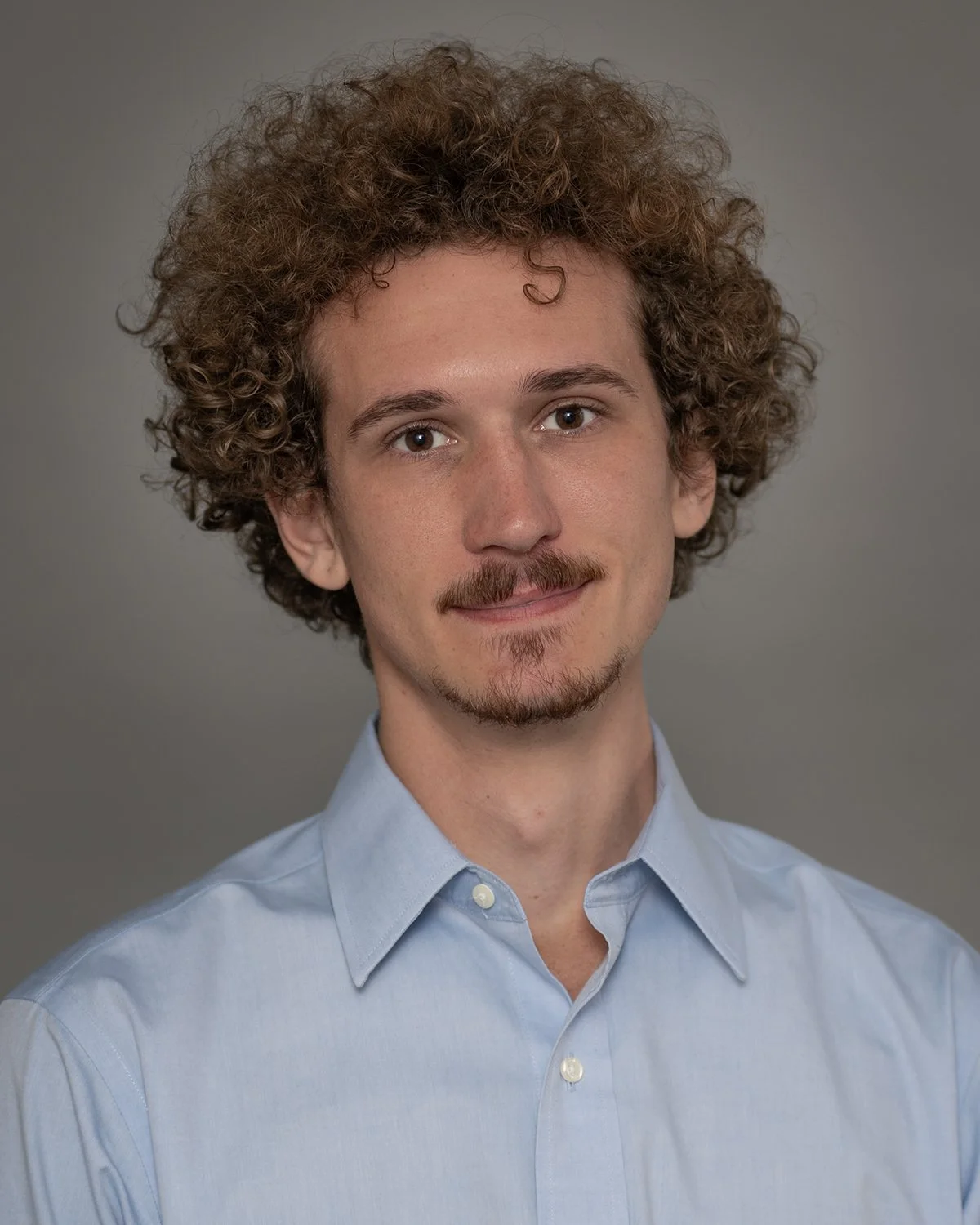
Ian Russell
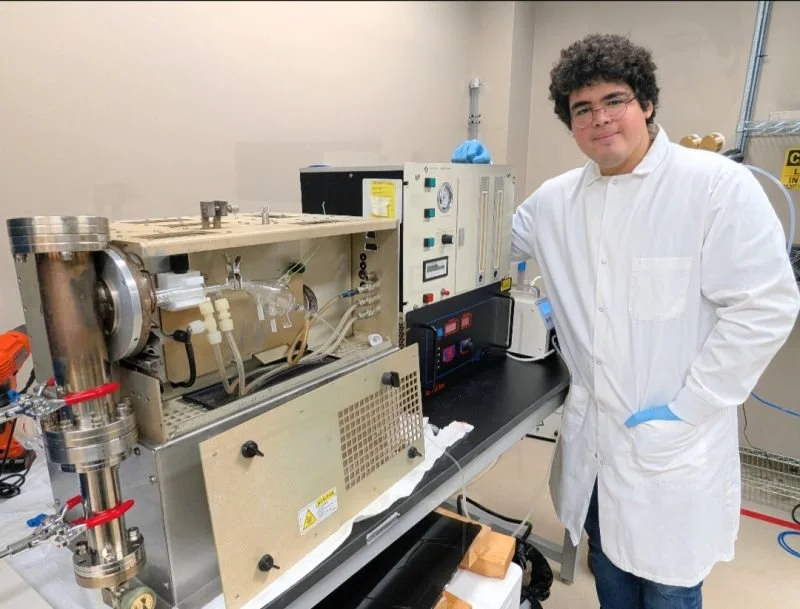
Wilfredo I. Rivera Rodriguez
Dr. Ed Cazalas
Congratulations go to Ian Russell who was awarded the SMART Scholarship for 2026 with the Air Force Technical Applications Center as a sponsoring facility.
The Science, Mathematics, and Research for Transformation (SMART) Scholarship-for-Service Program, sponsored by the U.S. Department of Defense (DoD), offers a distinctive educational and workforce development opportunity for future leaders in science, technology, engineering, and mathematics (STEM). The program awards merit-based scholarships to undergraduate, master’s, and doctoral students pursuing STEM degrees.
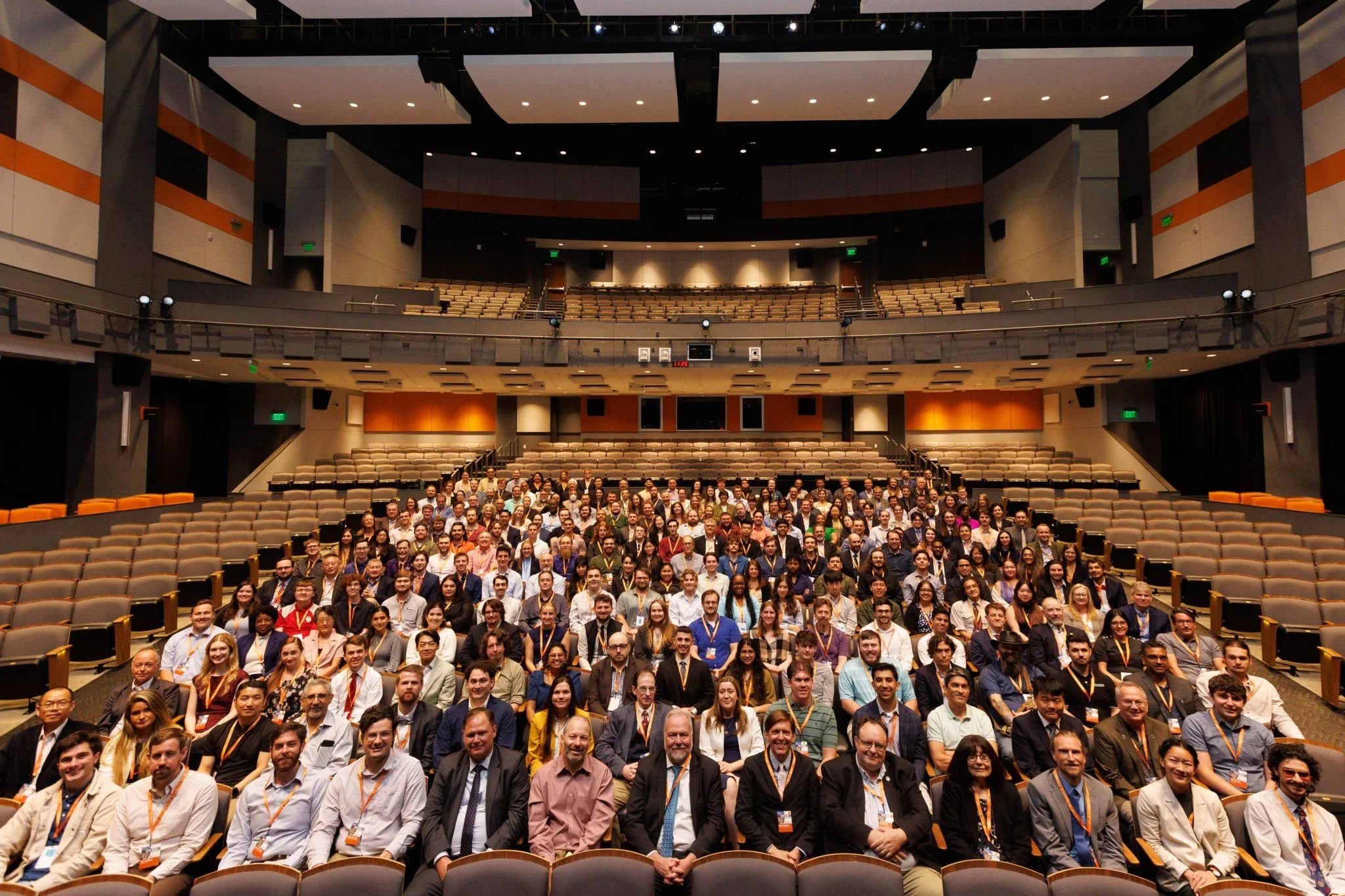
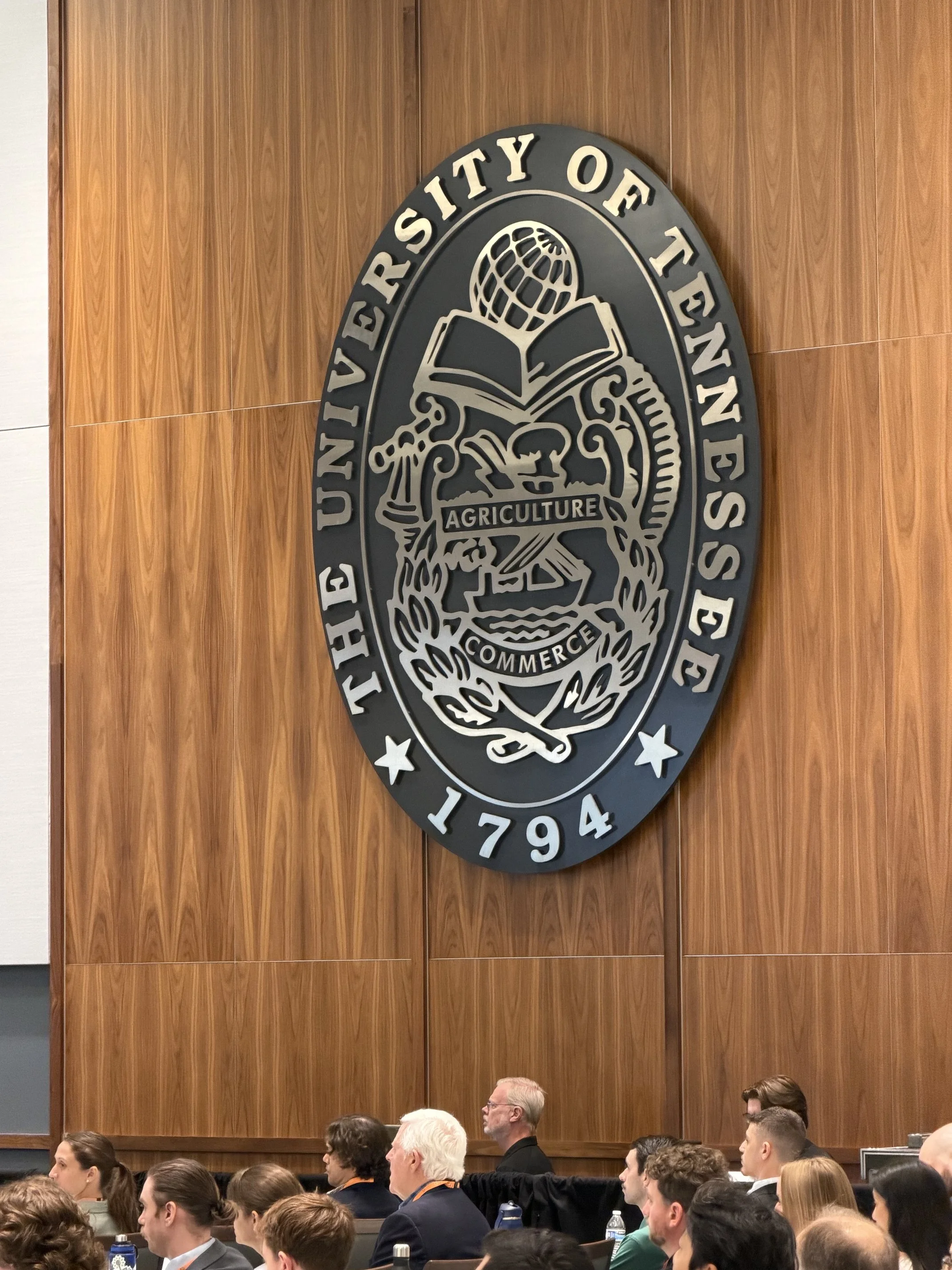
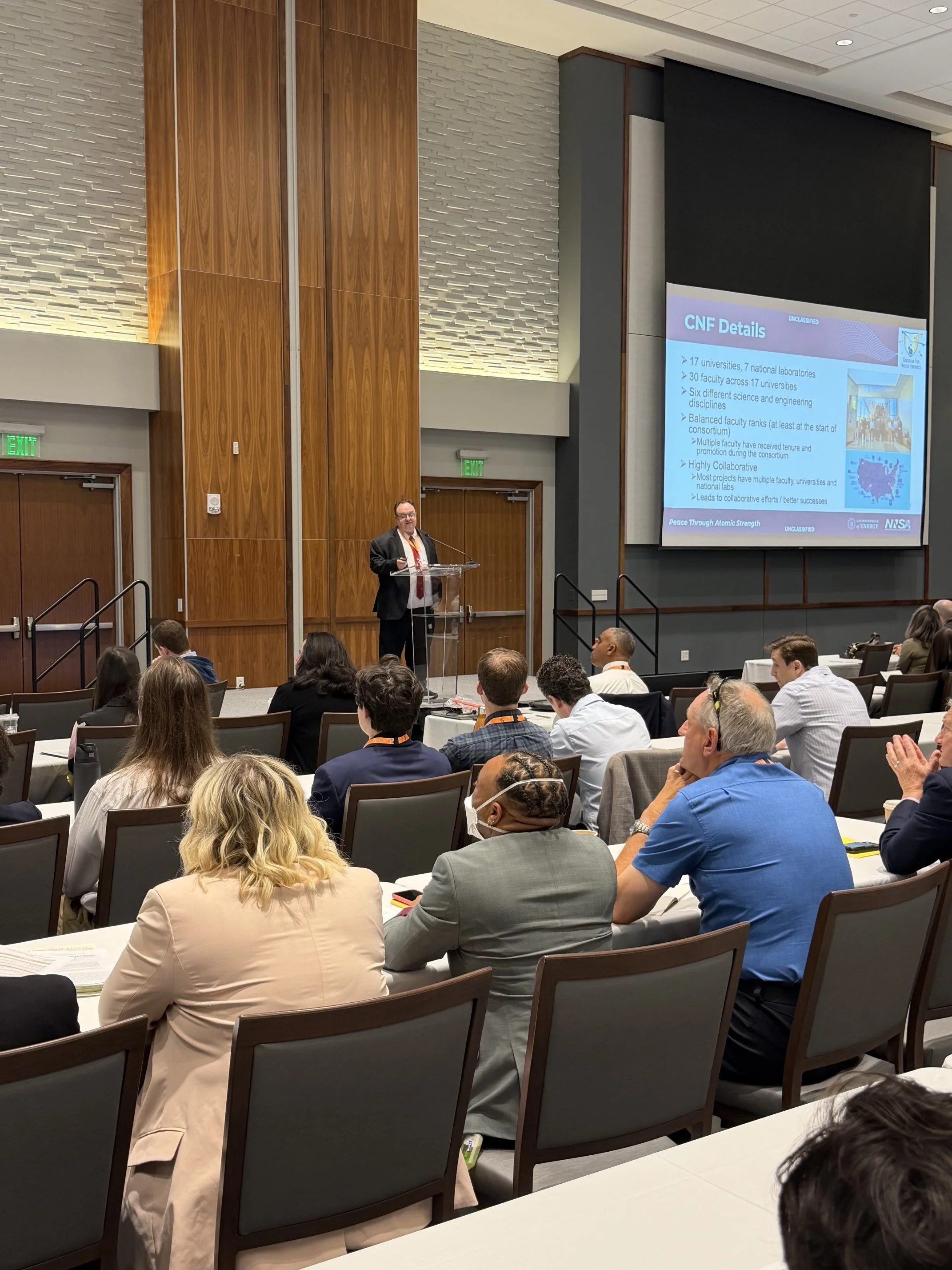
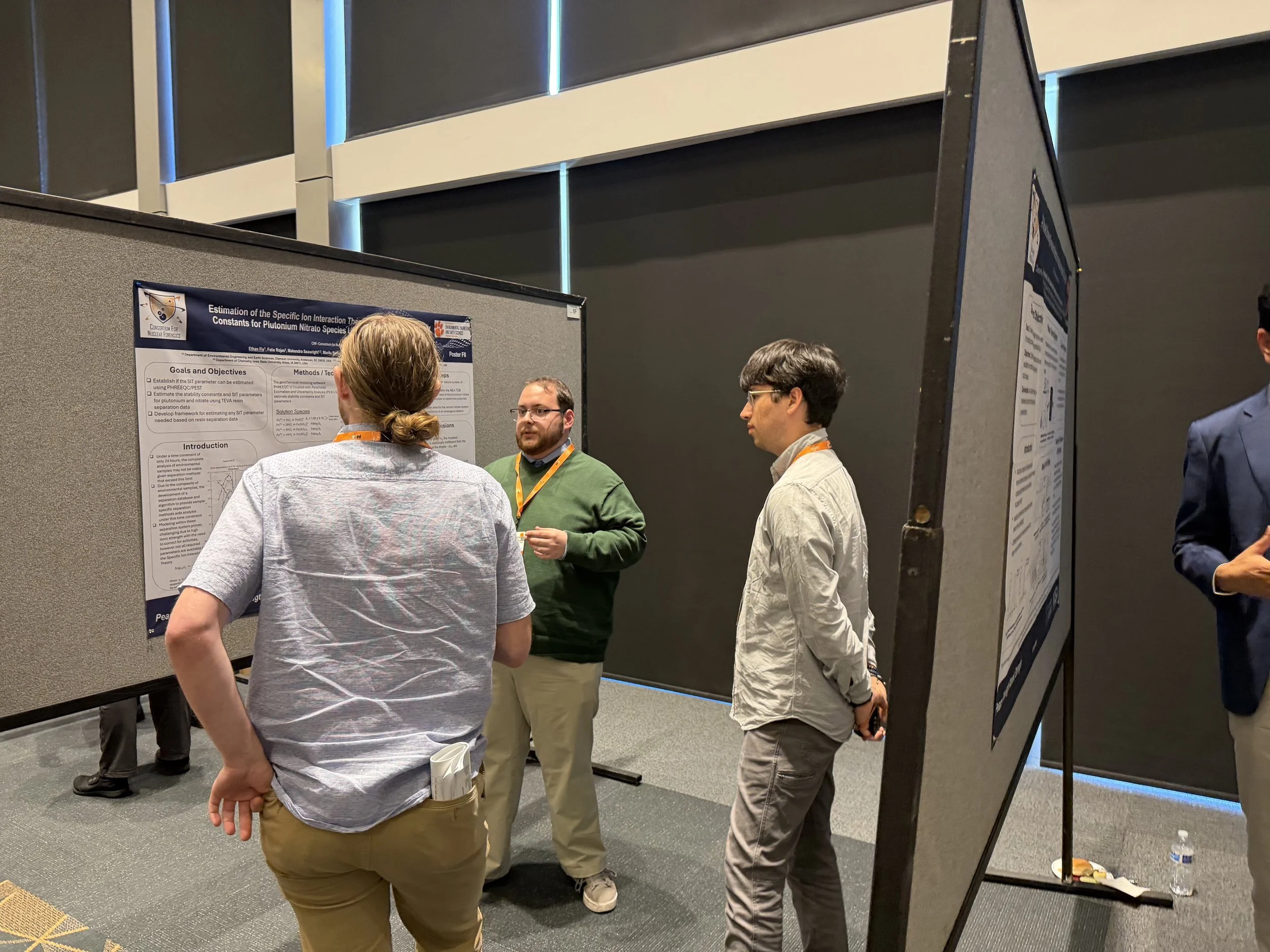
The 2026 University Program Review (UPR), hosted by the Technology (TECH) Consortium at the University of Tennessee, Knoxville, had an attendance of roughly 300 which included university researchers, students, national laboratory scientists, and program managers from across the country. The program's main focus is allowing students to present and showcasing their research in nuclear forensics and nonproliferation, highlighting the contributions and accomplishments of the next generation of researchers in the field.
In addition, UPR provides a forum for collaborations among U.S. Department of Energy (DOE) National Laboratory partners, NNSA leadership, and faculty from across the nuclear security enterprise. These interactions fostered valuable connections and reinforced the strong partnerships that support the advancement of nonproliferation science and technology.
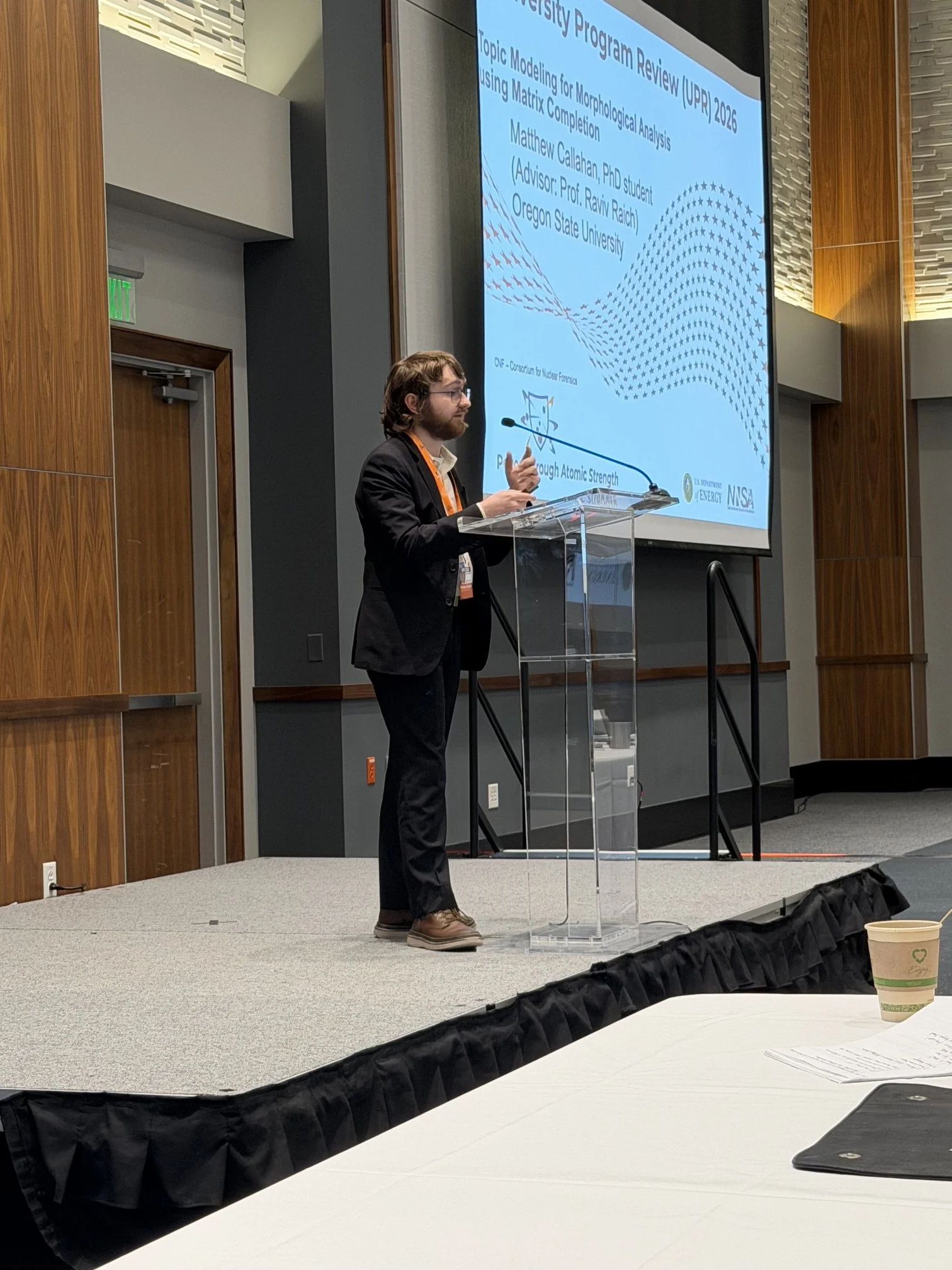
UPR 2026
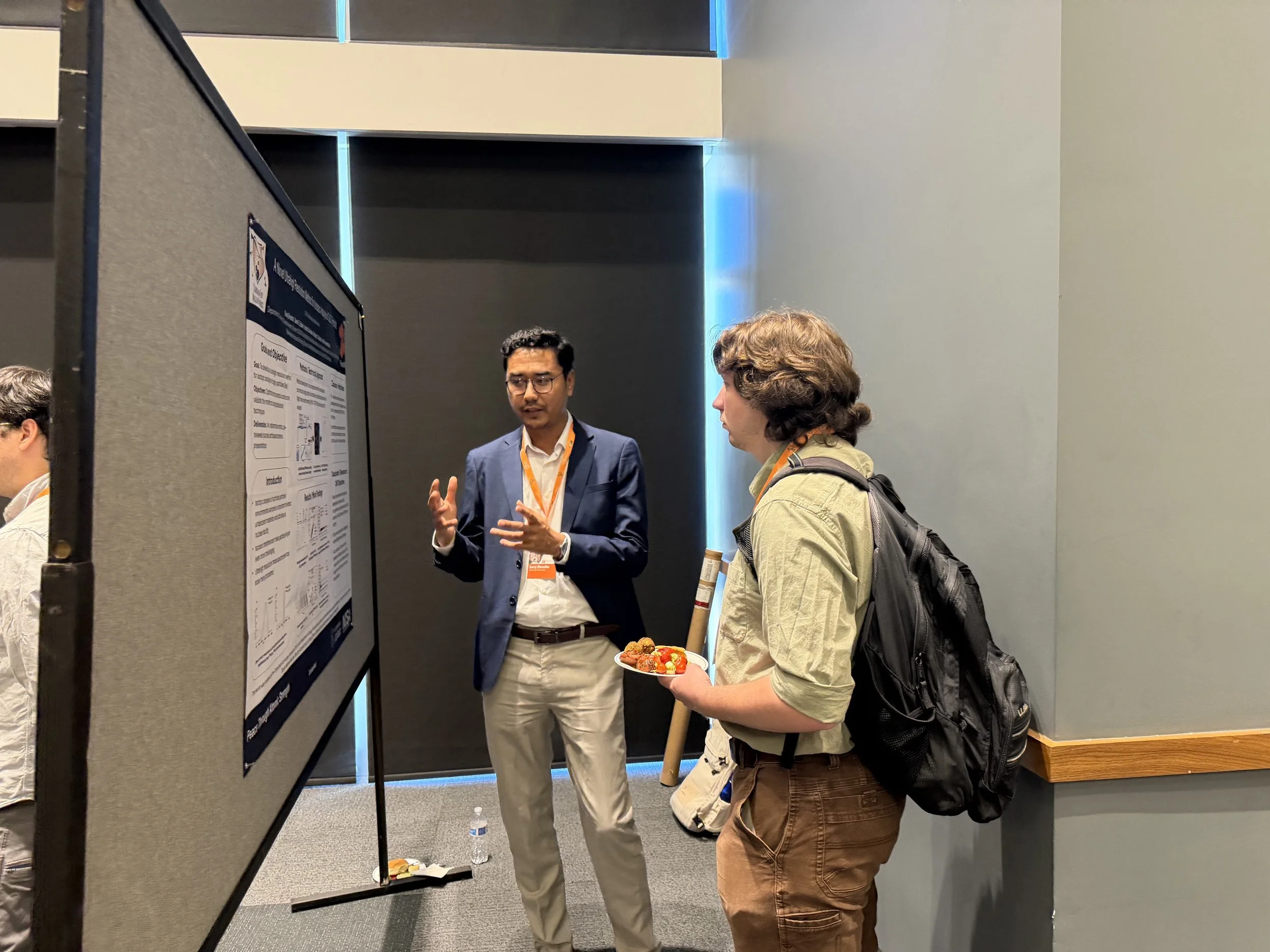
This years CNF student awards winners!
Elizabeth Decoteau (GWU) for Best Oral Presentation
Brittany Stieferman (UCF) Best Poster
Jeffrey Musk III (Oregon State), with Sandia National Laboratories (Marc Welliver) Best National Lab Collaboration
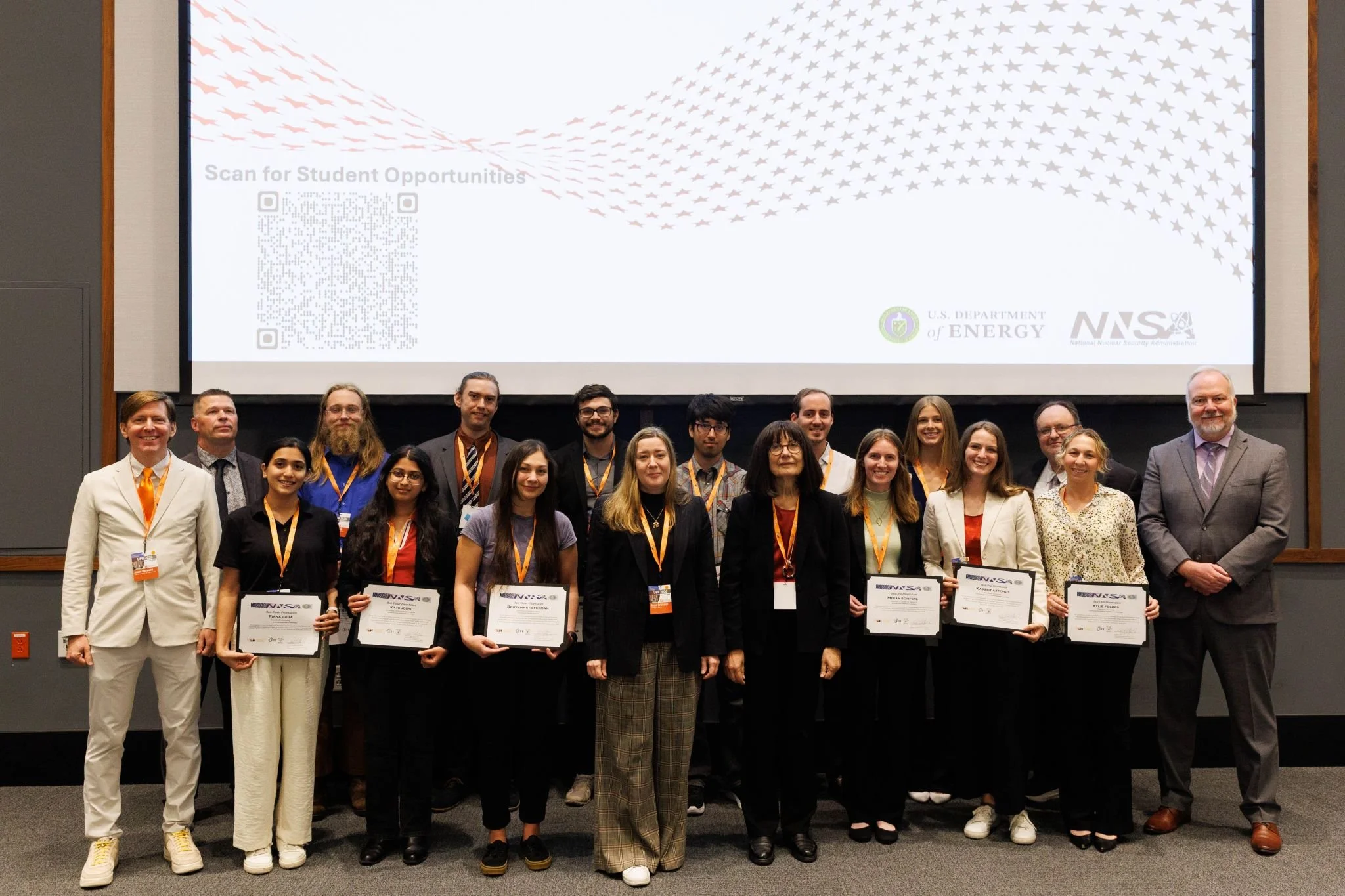
UPR 2026 Student Award Winners
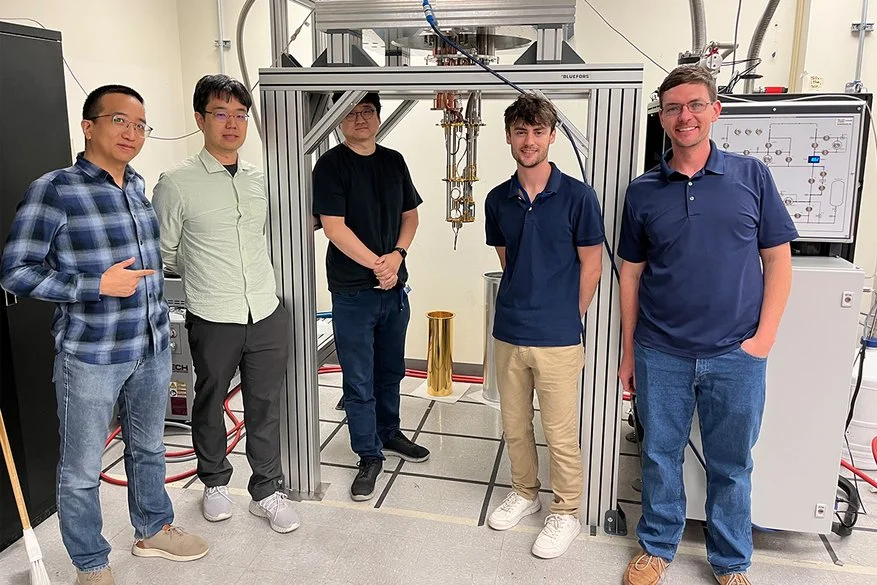
From left to right: Inwook Kim, Chang Lee, Geon-Bo Kim (corresponding author), Ryan Wood (first author) and Nathan Hines.
Ryan Wood’s recent publication, regarding the first-ever demonstration of Microcal-based nuclear dating, was highlighted on LLNL’s external news line to the public. It will be also highlighted in the LLNL Director Kim Budil's presentation slides at the upcoming Board of Governors meeting, as advancement of quantum sensing technology for nuclear security.
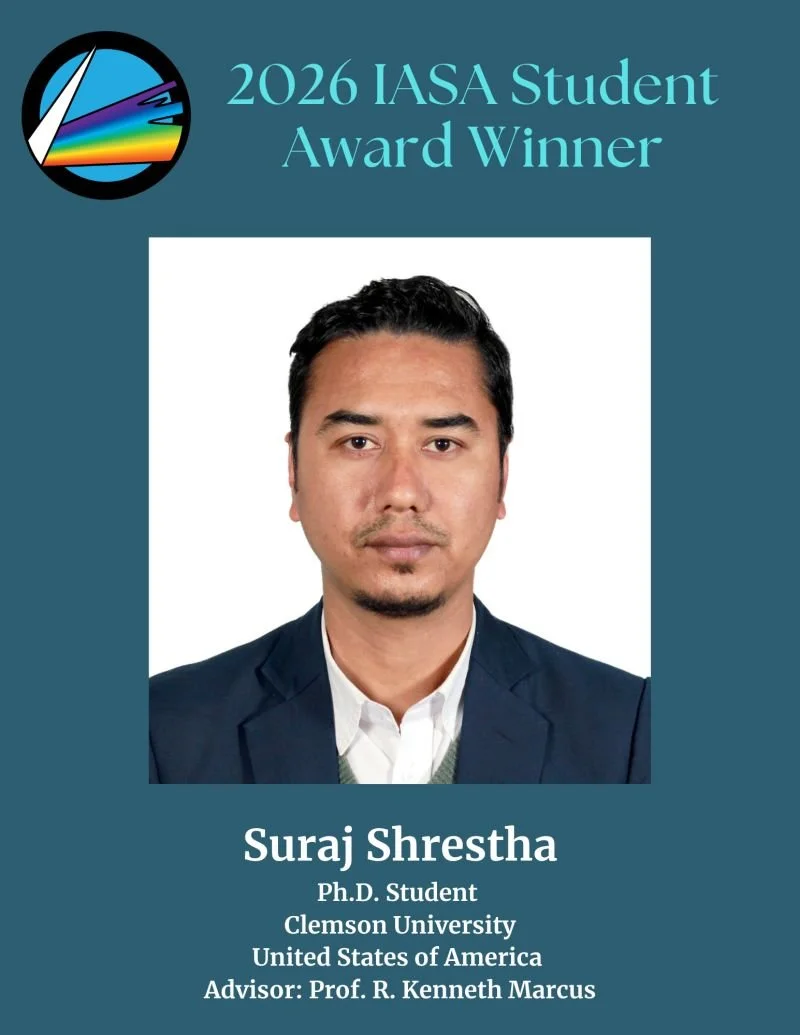
This year’s 2026 International Atomic Spectroscopy Association (IASA) Student Award honors Suraj Shrestha of Clemson University, whose work exemplifies excellence in the field.
Suraj is currently pursuing his Ph.D. in Analytical Chemistry at Clemson University under the supervision of R. Kenneth Marcus. He earned his Master of Science in Chemistry from Tribhuvan University and previously worked with the Department of Food Technology and Quality Control in Nepal. There, he specialized in developing advanced LC-MS methods for detecting trace-level contaminants in food samples.
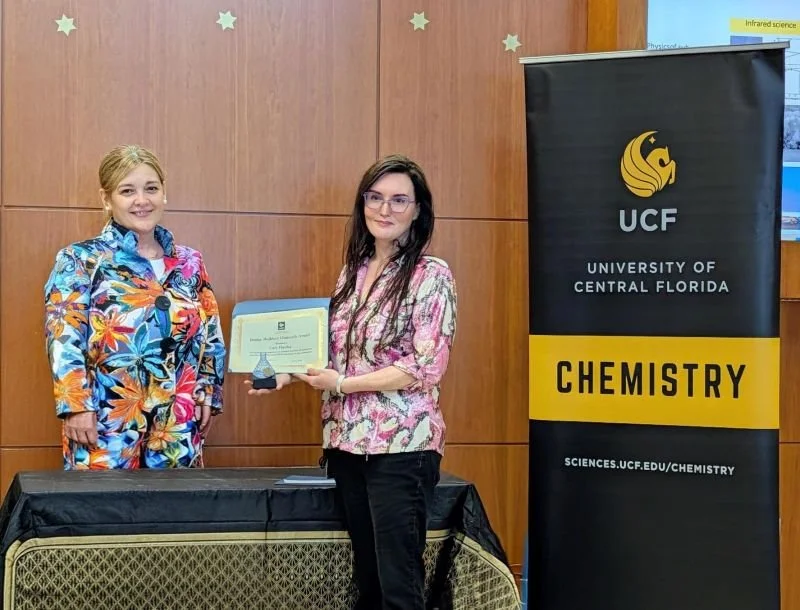
Congratulations to University of Central Florida student Lacy Hunley who recently accepted the UCF Chemistry Bridge Builder Outreach Award!
Lacey has also been selected for the 2026 Nuclear Energy Agency (NEA) Rising Stars Program.
This prestigious initiative, organized by the NEA, is dedicated to mentoring and supporting the next generation of female leaders in the nuclear field.
Dr. Brian A. Powell has been appointed to the Environmental Protection Agency’s Science Advisory Board, representing Clemson University at the national level.
This prestigious board convenes leading experts from a wide range of scientific disciplines to provide independent, evidence-based guidance to the Environmental Protection Agency on key policies and decisions affecting human health and the environment.
Dr. Palmer has recently stepped into the role of School Head of the School of Nuclear Science and Engineering in the College of Engineering – Oregon State University, where she will serve as the Henry W. and Janice J. Schuette Chair in Nuclear Engineering and Radiation Health Physics.
“I look forward to working alongside faculty, staff, and students to build on that momentum, strengthening our programs, supporting our people, and advancing the role of nuclear science and engineering in addressing some of today’s most pressing challenges in energy and national security.”- C. Palmer
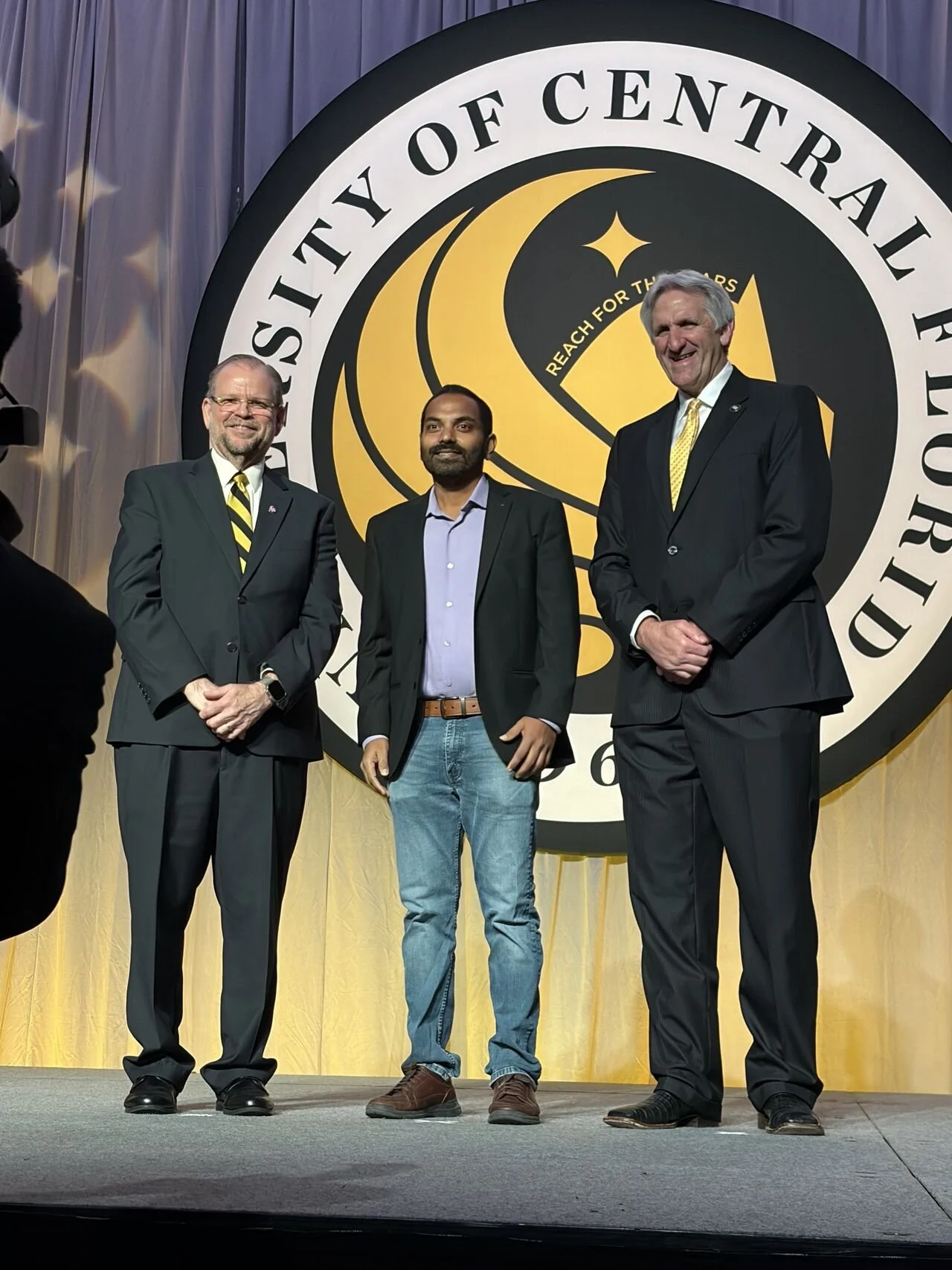
We are pleased to announce that Subith Vasu, Trustee Chair and Professor at University of Central Florida, has been named a Fellow of the Royal Aeronautical Society.
Founded in 1866, the Royal Aeronautical Society is dedicated to advancing global initiatives in aeronautical art, science, and engineering, and serves a distinguished international community of more than 25,000 members. This recognition highlights Dr. Vasu’s significant contributions to the field and underscores the impact of his work on the global aerospace community.
Dr. Vasu also received the UCF Award for Excellence in Mentoring Doctoral students!
“It’s an honor that reflects the privilege of working with such talented graduate students—past and present—at UCF.” -Vasu
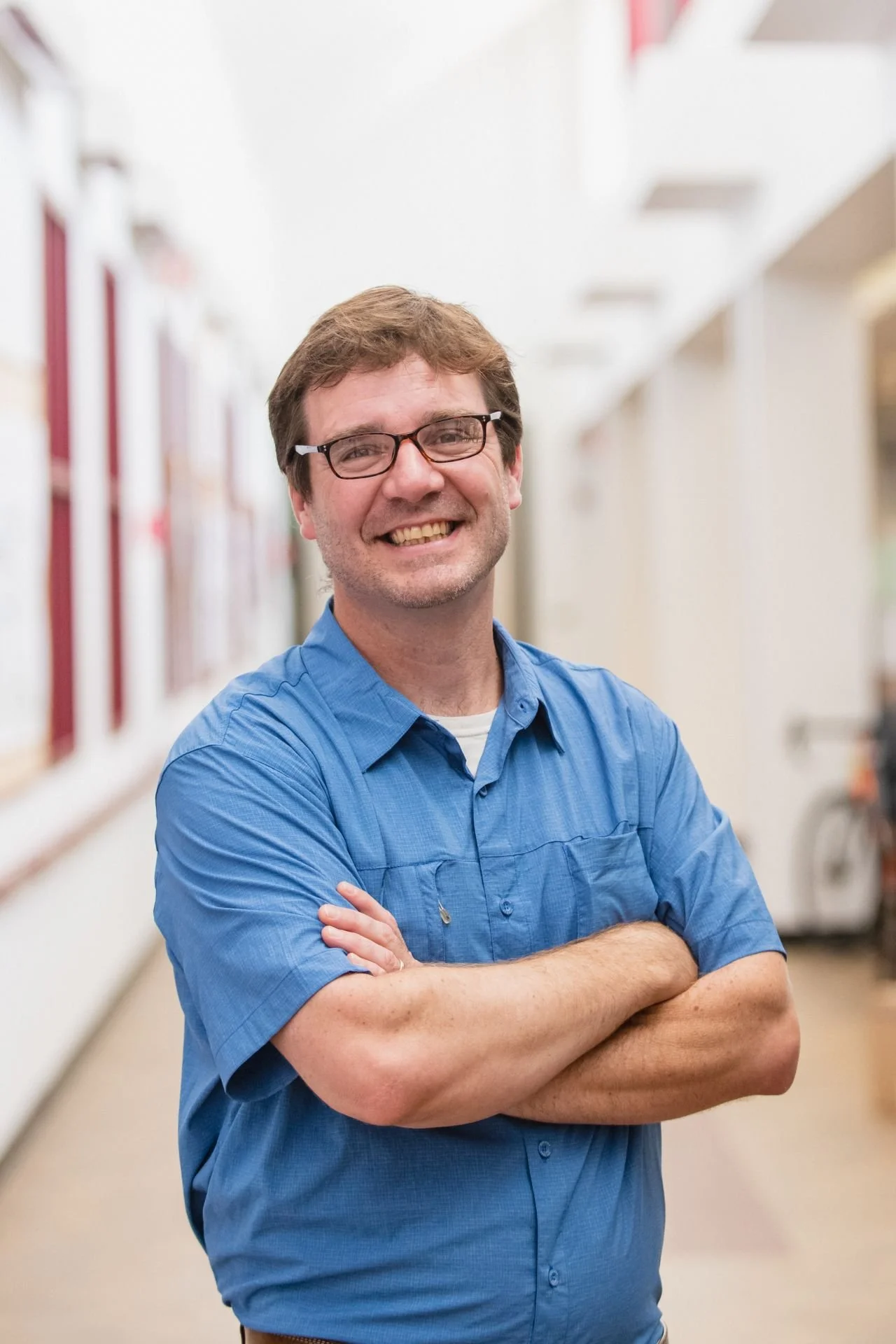
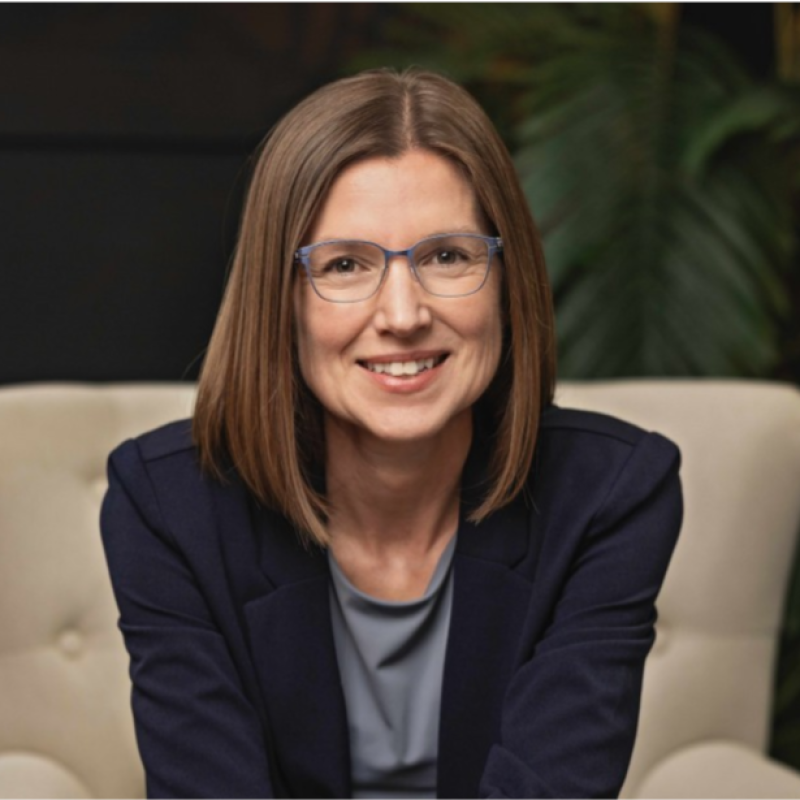
Congratulations to Professor Igor Jovanovic on his latest venture, who, as of January 1st, 2026, has joined The Nuclear Engineering Department at the University of California, Berkeley.
Professor Jovanovic is a world-leading expert in radiation detection and laser science. His research spans nuclear security, nuclear energy, and fundamental science, with an emphasis on developing advanced technologies for detection, diagnostics, and high-power laser systems.

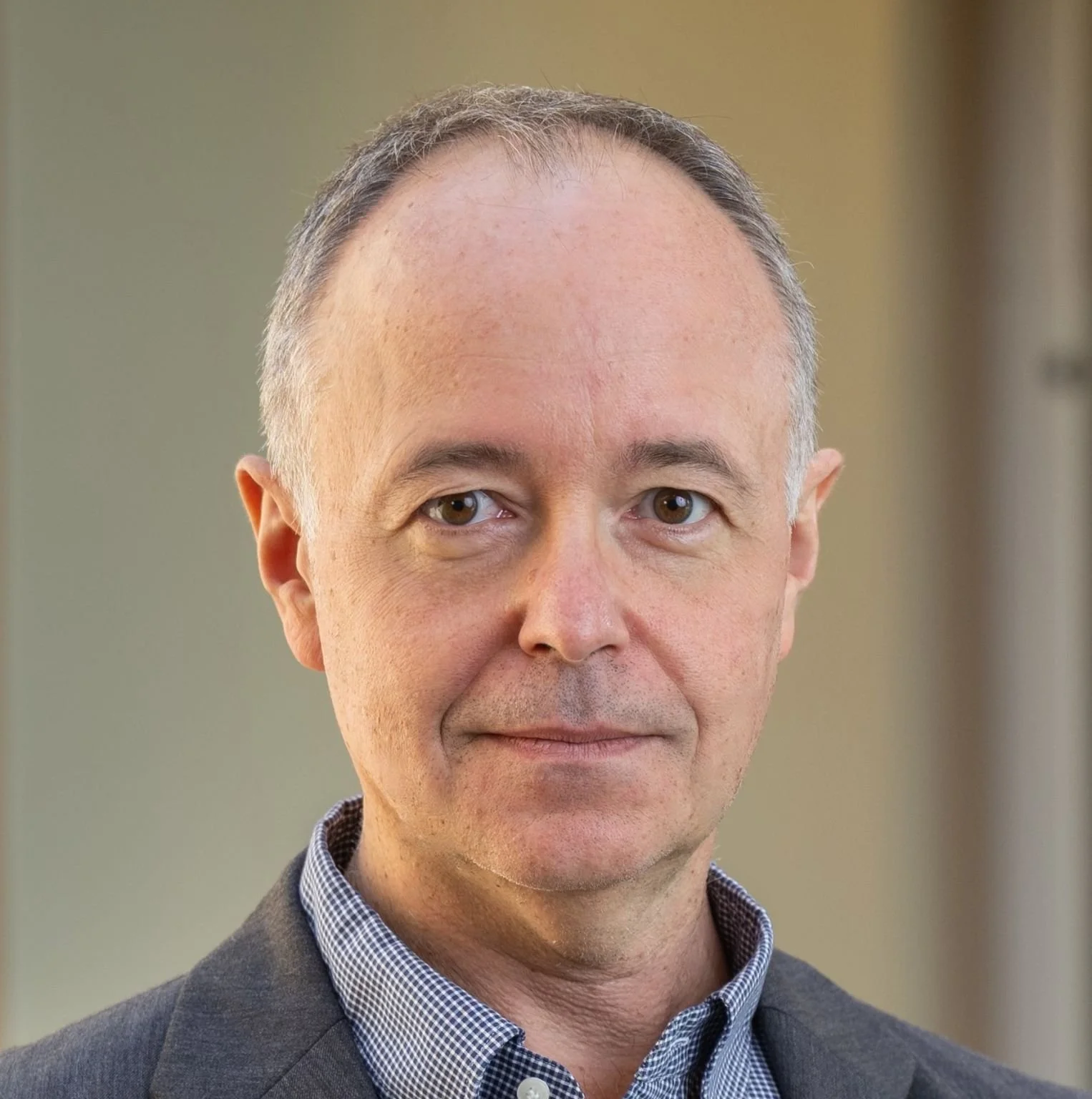
Professor Nathalie Wall has been elected as Councilor of the ACS Division of Nuclear Chemistry and Technology, where she will help contribute to the advancement of nuclear chemistry. Congratulations Nathalie!

Congratulations to Professor Anagnostopoulos on receiving the Outstanding Volunteer Award from the Orlando Section of the American Chemical Society! This recognition highlights their dedicated service as Program Chair for the recent SE/SW ACS Meeting (SERMACS 2025) and their continued contributions to the local ACS section.
Congratulations to Josephine Hartmann, winner of this year’s 13th Annual Best Paper Award! This award honors outstanding research that highlights the impact of AIF and advances the mission to support researchers at NC State and beyond.
Josephine’s papers exemplify creativity, rigor, and a deep dedication to advancing discovery, and we are excited to see the enduring influence of her work.
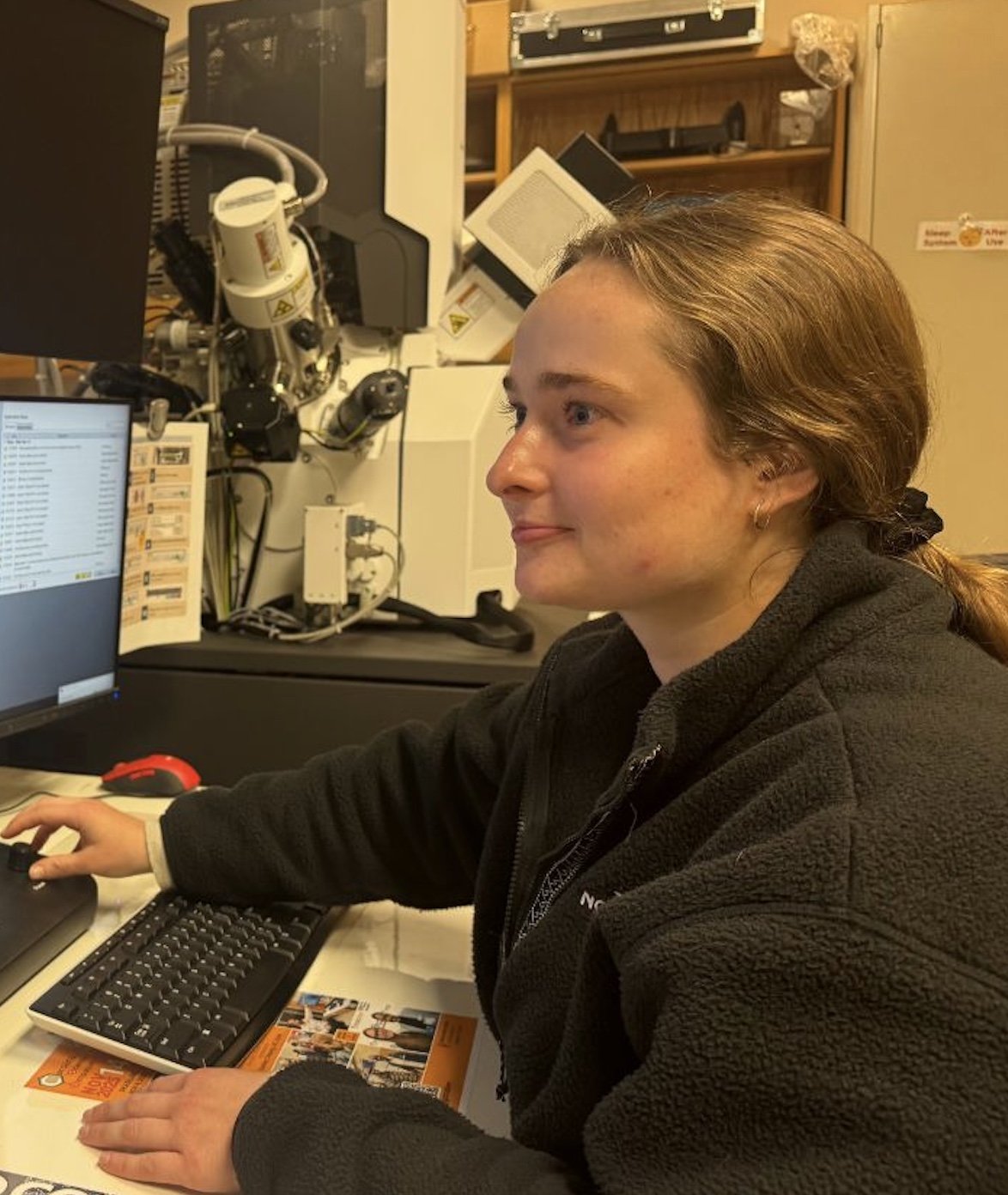
“The application of APT to visualize and quantify Sn redistribution across the oxide/metal interface is a great example of “seeing is believing.””
– Josephine Hartmann